
Sign Out

I Love You More Than Life

https://www.showdramas.com/films/I_Love_You_More_Than_Life

I Love You More Than Life (81 episodes in all) builds its dramatic core of loss, betrayal, and second chances. It begins the show with Grace’s miscarriage and suicidal impulse, then pivots into a vanishing act: she’s vanished, and Eric is forced to take it for granted that she will never return. This opening hook sets high emotional stakes and compels the viewer to long for a return that is inevitable and risky.


Grace’s character arc is the emotional hub of the program. When she reappears in a subdued manner — sneaking into her old home, listening to Amanda declare her a “memory problem” — those scenes are charged with tension. Eric’s silence is powerful: he declares to her in so many words that he “never loved me the way he loves her now” — the hurt searing in her ears. This quiet suffering is poignantly contrasted with her later confrontation latterly, where she demands Eric confess his lies to Amanda and the family. These two scenes encapsulate her evolution: from injured witness to vengeful seeker of truth.


Eric is a multidimensional villain. His passion for Amanda is complicated by guilt over Grace’s disappearance; his refusal to confront Grace’s reality is half cowardice, half selfishness. His agonized uncertainty — between the wife who had borne his suffering and the lover who had filled his emptiness — is more than one-dimensional bad guy material. When he hesitates in front of Grace in a hallway and almost says her name, we see his inner division.


Amanda plays double duty: publicly the indulgent second wife, secretly threatened and insecure. Her worst moment is when she discovers Grace’s clandestine letters and burns them, leaving traces to further consolidate Eric’s alibi. That scene turns her from passive intruder to active co-conspirator.


Narratively, the show spaces its reveals in a thoughtful way. Each micro-sabotage act (misplaced medication, exchanged phone records) increases audience distrust. Writers get to slack the mid-series suspense when Grace’s investigations are stopped, but inject urgency into the final quarter when Eric’s backup will makes Amanda the beneficiary, and sets about erasing evidence of his betrayal. The payoff of the climax, as Grace faces off against Eric and Amanda with family portraits looming in the background, is worth it.


In terms of narrative, I Love You More Than Life struggles with remembrance, identity, and the provision of love in the absence of presence. Getting back her identity is the recovery of Grace, who asks: does love need presence or truth? Her recovery is not romantic reunification but identity definition. Flashbacks (such as Grace’s last night before miscarriage) confirm that emotional depth.


The occasional pacing lulls and some darkly lit subplots (e.g. business partners of Eric never seem to have been fully developed), however, the series is a success due to good lead acting and its denial of the melodrama status of the return to Grace. It is an equal measure of agony and salvation. Overall, I Love You More Than Life is a powerful, emotionally-charged drama of what it means to lose a part of one’s life and what it takes to overcome that loss through hardship and determination.
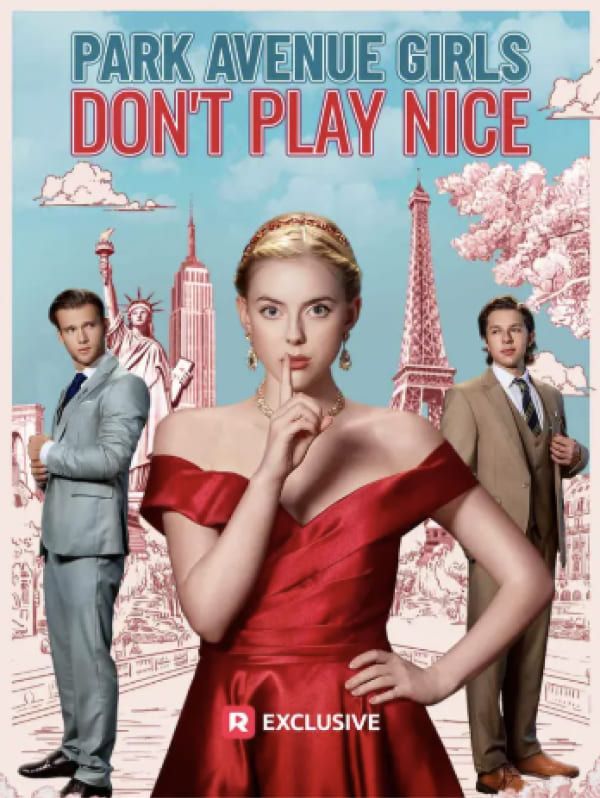
Park Avenue Girls Don't Play Nice

https://www.showdramas.com/films/Park_Avenue_Girls_Don_t_Play_Nice

Park Avenue Girls Don’t Play Nice commits to a high-stakes social drama, with art mystery, upper-crust rivalry, and identity misdirection tossed in. Its strongest suit is its central premise: an outsider (Anna) penetrating New York’s elite, probing both her enemies and herself. The series uses its 72-episode run to pile on betrayals and small secrets that gradually erode the social facade.


The emphasis is the tension created by Anna’s dual existence. She attends art school in the daytime and after-hours infiltrates Park Avenue society—hiding out even at Kingsley parties uninvited. In Episode 2, Anna is seen trying to slip past a VIP line when Brooks intervenes and escorts her in—a meeting that sows suspicion regarding where she’s coming from. Her masterfully constructed facade is broken when she can’t recall Lila’s family’s wine of choice or a Kingsley family story, prompting hushed accusations on the part of socialites.


Brooks Whitmore’s story is equally captivating. He begins in harmony with Lila’s circle, but when he notices discrepancies in Anna’s behavior, he queries rather than retreats. His shift from accessory to guardian is particularly well-executed throughout the mid-series episodes, most particularly when he confronts Lila in private about why she sabotaged Anna’s scholarship and demands explanations his clique did not have the courage to ask. That confrontation is turning point: Brooks is no longer simply glam accessory but assertive agent.


Lila Kingsley herself is a deadly antagonist. Her sabotage includes the theft of Anna’s painting Fracture, tampering with the Paris scholarship decision, and rumor-spreading at the debutante ball to humiliate Anna. Her jealousy peaks when she orchestrates a night when Anna’s fake social credentials are put to the test, resulting in a live social exclusion in front of Brooks and the Kingsley hierarchy.


Narratively, Park Avenue Girls Don’t Play Nice excels at accumulating tiny betrayals, secret rendezvous, and mirror metaphors. But it stumbles on pacing dips: some installments recycle similar territory—Anna avoids getting caught out, Lila intensifies, Brooks wavers—without significant reveals. The final third recovers, culminating in a gala confrontation where Anna blackmails Lila into a public admission and retrieves her stolen painting. That dramatic culmination, in which Anna publicly humiliates Lila for theft and deception, is emotionally satisfying.


In terms of theme, the series challenges ambition, honesty, and social fronts. Anna’s change is not simply ambition—she’s fighting poverty and abuse. Her choice between keeping things under wraps or being open about herself establishes the emotional stakes. Yet the show doesn’t do enough with Brooks and the Kingsley family backstories, which might raise the stakes further.


Visually and texturally, the vertical episodic style demands constant peaks, and the show mostly does. Costume parties, mansion interiors, and art studio scenes offer a glamour vs grit dichotomy. In all, Park Avenue Girls Don’t Play Nice is not flawless but its core conflict—a working-class artist infiltrating high society—coupled with good leads and social tension creates an addictive, emotionally engaging drama.

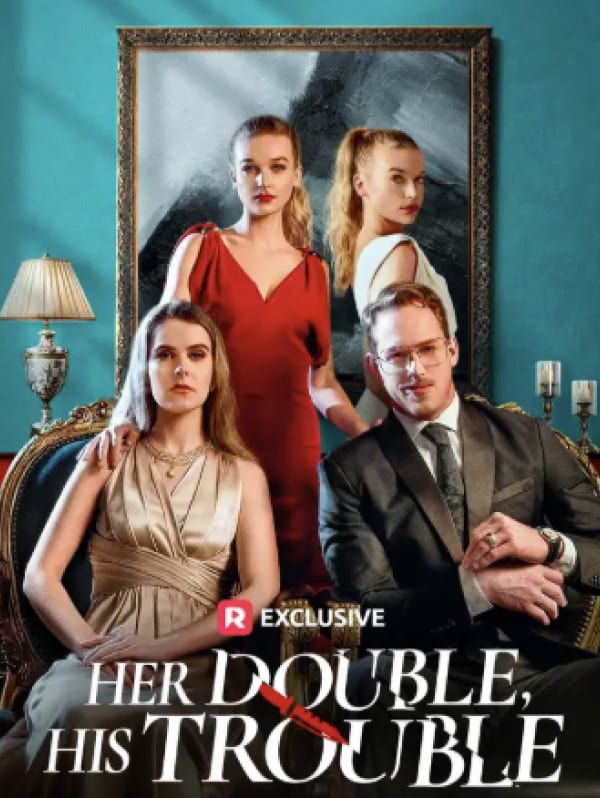
Her Double, His Trouble

https://www.showdramas.com/films/Her_Double_His_Trouble

Her Double, His Trouble is a well-plotted revenge thriller that uses the twin-identity trick to build tension and emotional suspense. With over 72 episodes, success for the series is contingent upon the manipulation of trust, identity, and deception.


Erin’s transformation is the dramatic premise. Initially she is wracked with grief, but she has to assume Elise’s mannerisms, relationships, and secrets. It’s compelling when Erin stumbles over Elise’s calendar, her code, or addressing Damien as “love” in the sanctuary of her own home. In episode 2, when Elise thinks Damien has brought her to Lover’s Point, she is surprised — while Erin’s affective bewilderment illustrates the way that lived intimacy cannot be replicated. And all the while, the duplicity of Damien and Selene is doubled: Damien oscillates between remorse and suspicion, whereas Selene works behind his back. Their discussions with Erin-as-Elise refine their guilt and fear, especially when Selene begins planting seeds of doubt in the sanity of Elise. Suspense is heightened even more around scenes where Erin unwittingly eavesdrops on private discussions between Damien and Selene plotting against Elise.


The series maintains suspense through methodically peeling off layers of conspiracy. Most episodes end in close calls: Damien glimpses a further message Erin is not supposed to see, Selene notices inconsistencies in “Elise’s” behaviors. While the initial two dozen build suspense through means of disguised identity errors and small clues, some of the mid-series shows plod along through recurring near-misses or detective dead ends. But the final third gets going again smartly: revelations arrive at a nice clip, and Erin shifted from passive impersonator to dynamic avenger. Her confrontation at the end ties up loose strings—Damien must confess, Selene’s scheme is exposed, and Erin receives revenge for her sister.


Fundamentally, the series is asking about identity. Erin is transformed into Elise, and she wonders: what constitutes a person—memory, habit, association? The moral price of vengeance is uncovered: Erin’s impersonation necessitates her becoming a deceiver in order to punish deceivers. Emotional interior life is occasionally shortchanged: Damien’s interior guilt or Selene’s compromised motivations are less fully explored than Erin’s transformation, so some characters are shortchanged.


As a vertical short-episode format, the show must sustain its hold by way of tightly made scenes and frequent mini-cliffhangers. This keeps things moving but also makes some reveals come across as too abrupt or unexplained. Visually, the show is heavy on domestic and mansion interiors—nighttime drawn halls, nighttime settings, hidden rooms—enforcing a psychological claustrophobia. Costume and set design effectively distinguish Elise’s public composure from Erin’s more guarded attitude. The recurrence of reflections and mirrors is a clever visual motif, emphasizing duality.


All in all, Her Double, His Trouble is an entertaining mix of melodrama and mystery. While some secondary storylines lag behind or are underdeveloped, Erin’s quest to steal her sister’s legacy and exact revenge on betrayal is powerful emotionally. Its identity farce and conspiracy twist have thrills and satisfy the genre requirements.

Coaching His Heart

https://www.showdramas.com/films/Coaching_His_Heart

Coaching His Heart combines romance melodrama with a sporting backdrop, with the unlikely added attraction of a female coach and a high-scoring player confronting hidden-on-ice intimacy. The strongest element of the drama comes in the push-pull chemistry between Kate and Tom. She creates early resentment scenes of biting sharpness; Tom, conversely, exudes pride and guilt. Their bitter repartees stand in contrast well to later softer scenes, like when Kate faints in practice with fatigue at being pregnant, and Tom cares, in defiance of rules putting them apart.


Narratively, the series relies on cliffhangers and secrets kept. Over 64 episodes, three plots drive forward: Kate’s hidden pregnancy, Cindy’s sabotage campaigns, and the team’s no-fraternization policy. The second half sometimes trudges along with perpetual misunderstandings, but the final scenes pick up the pace. Towards the endgame, with Kate finally revealing her fears and Tom struggling with fatherhood responsibility. The emotional stakes made up for earlier sluggish pacing.


Thematically, Coaching His Heart references identity and sacrifice. Kate is ambition shattered by motherhood, pulled between professional integrity and honesty. Tom grapples with reconciling his mythic persona and the vulnerability of fatherhood. The series does not examine these questions to any significant degree, but it hints at deeper levels, particularly when Tom enlists Kate’s brother and displays unguarded sympathy.


From a production standpoint, the vertical format dictates brief emotional beats and continual cliffhangers. Spare sets — locker rooms, rinks, offices — sometimes reduce visual diversity, and dialogue sometimes lapses into exposition. But the principal players are intense enough to elevate hackneyed lines. Cindy is underwritten, however; her jealous scheming never becomes more than cliché, which hurts dramatic depth.


Ultimately, Coaching His Heart is an effective binge-watching romance built on raised stakes. It works best at its dramatic twists, especially the dramatic reunion towards the end when Tom comes to accept Kate and their child. While imperfect in pacing and development of supporting characters, it has decent melodrama built around a good couple.

You Drive Me Crazy

https://www.showdramas.com/films/You_Drive_Me_Crazy

You Drive Me Crazy brings a fresh twist to romance with a splash of drama and misidentification, characterized by its individualized and unique story elements. The plot hangs on Yasmin’s path from hardship, from dealing with an unplanned pregnancy from a strange homeless guy, to battling the authoritarian CEO Tristen Mars, who unknowingly shares a profound connection with her through their son. This set-up eschews walk-and-talk romantic clichés by basing its conflict on Yasmin’s real emotional stake in getting her son’s surgery, real emotional risk, and urgency.


The character development is rich and layered. Yasmin is not just a mother struggling to save her child but a woman who is resilient against opinion and economic adversity. The series uniquely highlights how Yasmin balances her role as a devoted mom and car restorer moving into an unfamiliar corporate world. The contrast between the blue collar capabilities of Yasmin and the high-end, glamorous, and high-powered CEO lifestyle of Tristen serves to heighten the identification of the difference in class and result in an appealing tension. The character of Tristen struggles with the loss of memory through a concussion that he suffered the night they had met, which causes his year-long search of Yasmin oppressive with an urge to recover a lost relationship.


The brother-sister relations between Yasmin and her step-sister Gia lay one more conflict connected with the jealousy concept and social rivalry. This belittling of Yasmin and her son with such harsh terms as bastard kid and affronts directed at Yasmin as to her origins and economic success offers some intensive and focused sequences of conflict which depict both the inner resources and the protecting instincts in Yasmin. These conflicts are a representative of the prejudices of the real world society and the cruelty of what single mothers undergo in that situation.


Visually, the show couples gritty, in-your-face scenes at Yasmin’s garage and cramped living space with the high-end, sleek Mars Motor Group office and CEO meetings. This dual visuality assists in communicating Yasmin’s dual worlds and brutal social divide among the characters. The personal stakes are also supported by emotional moments like in the way Yasmin talks to Luca about his imminent blindness in the future because of the tumor, something that renders the viewers more willing to sympathize.


The fact that it has been combined with a medical crisis and a romantic mystery, allows the plot to be kept more engaged as people are able to attach themselves to the health of Luca and the way his relationship develops at the same time with Yasmin and Tristen. Symbolism in the he priceless Mars family medallion brings themes of hope, sacrifice, and identity searching together into one entwined plotline that connects past and present.


In general, You Drive Me Crazy is an earnest combination of romance, family drama, and social commentary, achieved through authentic-to-life characters and a solid, compelling story rooted in individual, specific situations unique to this series.

What Doesn't Break Me

https://www.showdramas.com/films/What_Doesn_t_Break_Me

What Doesn’t Break Me is a very effective and very mainstream emotional-charged drama that trespasses on trauma, strength and multi facets of family duplicity. Fundamentally, the series illuminates such dark realities of domestic abuse and human trafficking, and the plot of Taylor stands out as its characteristic bravery in striking particulars, including that her father was trading her and her sister and that there is a harsh social hierarchy that reduces her to virtually nothing but her beauty. That is the specificity that makes the story so passionately strong and distinct from the more general treatment of such a topic.


The narrative structure, presented in 64 short episodes, masterfully preserves suspense and intense sympathy for Taylor. The tempo allows viewers to see Taylor progress from an helpless girl to an uncontrollable force driven by rage and hope. The alternating between Taylor’s personal growth and professional success at the biotech company adds a second level, showing her intelligence and persistence beyond victimhood. The image of Taylor as the richest person in the world and CEO of TLP Biotech is particularly striking, demonstrating how she reverses her former narrative not only through emotional strength but by sheer accomplishment and dominance.


The dynamic with her family is done with brutal honesty, especially the extremely poisonous one with brother and father. The public degradation of Taylor by the brother at the CEO welcome dinner, in which he calls her a “whore,” crystallizes the ongoing abuse of power and humiliation. It is a blatant narrative move, one that puts Taylor’s pain and resilience firmly out there in the public domain, as a symbol for her struggle to be recognized and treated fairly under the guise of systemic misogyny.


What Doesn’t Break Me is also commendable in its richly developed multidimensional characters. Taylor is not solely a victim nor a simple hero; her moral ambiguity, assertive protective instincts, and vulnerability make her more realistic and human. Having her mother and sister, both victims and emotional drivers, enrich the story’s coverage of courage and solidarity in suffering.


The camerawork and direction add to the bleakness of Taylor’s early life and contrast of her subsequent success with strained close shots and drab colors in the earlier scenes, and against extravagant, glossy settings in her CEO life. This visual story adds to the survival and power takeover themes.


To sum up, What Doesn’t Break Me presents a something unique and specific, and emotionally touching image of a fight of the woman against family and social inhumane. The series provides a powerful narration via the dense characterization, expansive plot, and impressive scenery that challenge the audience and also offer hope and support towards the acts of immense challenge.

Carrying His Triplets, Becoming His Wifey

https://www.showdramas.com/films/Carrying_His_Triplets_Becoming_His_Wifey

Carrying His Triplets, Becoming His Wifey is a riveting drama that intersperses strength, social injustice, and unorthodox love. The series showcases the desperate journey of Daisy from economic despair and familial betrayal to empowerment and impending motherhood. The grueling presentation of Daisy’s battle—struggling working backbreaking jobs, losing tuition funds to her own dad, and walking through the perils of her environment—offers an intense realism beyond standard romantic drama fare.


The plot’s unique trigger—Daisy’s accidental triplets’ pregnancy of a billionaire CEO—provides a compelling contrast between the high life of Marcus Sinclair and the low origins of Daisy. The contrast is what fuels the central conflict of power shifts between characters as Marcus shifts from suspicion to duty and protection. The insight that Marcus has about Daisy when he comes to realize he that she is not a gold digger, but a victim of circumstance, makes his character even more complex. The way he chooses to protect Daisy especially against the violent father is a manifestation of his transformation as a remote and wealthy CEO, into a protective boyfriend.


Daisy’s controlling relationship with her father adds a shadowy, yet critical, richness to the narrative. His abuse and coercion into marriage with an older man expose toxic family control rarely explored in short plays. Daisy’s defiance of him in public and refusal to abort the children in the face of expectations for her to do otherwise expose a strong female lead who asserts her own integrity and her children’s future.


The series also explores themes of social judgment and stereotyping. Being referred to as worthless and a money-making tool by society and her family reminds one of the stigmatization most young single mothers go through. The play is not afraid of these uncongenial realities and the operation of them serves to engage the audience more into the sorrows of Daisy.


Discussing the stylistical tradition, the 69-episode structure provides the opportunity to develop the characters and deploy the plot to the full extent. The description of the grandmother of Marcus who helps Daisy in secret gives a kindly impact to the plot and it balances the attitude of the family of Daisy, who is much hostile, which makes the emotional dimension more colorful. The tense sequences when Daisy tries to escape and Marcus intervenes are especially riveting, presenting both tension and emotional payoff.


To sum up, Carrying His Triplets, Becoming His Wifey is a deeply nuanced drama that is balanced with severe truths alongside the emotional romance in an efficacious manner. It brings a low-key demonstration of a divide between classes, betrayal in the family and the empowerment of female in the way Daisy experiences the world. The show with its captivating storyline and rich character arches and dramatic tension is a clear-cut example of an excellent short drama that holds the audience glued to its nexus and gritty emotionalism narrative.

The Fashion Queen Returns

https://www.showdramas.com/films/The_Fashion_Queen_Returns

The Fashion Queen Returns stands out for its powerful emotional and thoughtful analysis of betrayal and endurance. The story takes a unique interest in the character of Eve, whose selfless deed out of love for her family leads to heartbreak but also drives a compelling resurgence. In contrast to standard revenge dramas, the story of Eve is based on the glamour and high stakes of the world of fashion, and the outcome is at once visually pleasing and emotionally resonant. The show astutely depicts the pain of being undervalued as wife and mother and also of pressure on women to conform to society’s beauty and success standards. The poignant moment in which Eve’s own daughter is ashamed on her mother’s behalf and awed by the stylish mistress clearly shows family pathology and societal expectations.


The performances, especially by Eli Jane as Eve Corbelle, are a big plus. Jane’s transformation from suppressed homemaker to powerful, unrepentant fashion icon is conveyed with grace and ferocity. The character of Shawn Rockwell is also an example of toxic masculinity and entitlement as he does not only cheat on Eve but publicly mocks her and terms her as a stupid, dumb little housewife who has wrinkles and disgusting stretch marks. Such verbal cruelty is the opposite of the self-confidence and empowerment that Eve gets in the course of the series.


The themes of identity and self worth have been developed in the show as well. The fact that Eve choose to take back her place in the fashion industry instead of pleading with her unappreciative family is a strong message about independency and self respect. Additionally, the collaboration with Giovanni Cavolini adds substance, showing how platonic relationships can help towards individual success and growth without love interests complicating the narrative.


There is excellent use of the fashion setting in the series which uses grand gala scenes, runway moment and luxurious fashion which highlights the theme of Eve regaining power. The timing of 53 episodes provides the opportunity to develop the characters in detail and the depth of the revenge scheme, which gradually develops and keeps the audience attentive to the twists and emotional moments.


To sum everything up, The Fashion Queen Returns is an exciting and emotionally dense drama that sets itself out with its skilled interpretation of the fashion-world reality, intricate character development, and the uninhibited female protagonist overcoming betrayal to gain empowerment. It is a new spin on the revenge stories, with the focus on the strength of self-recovery instead of surrendering to the devastations of the past but a must watch.

Fated to My Homeless Billionaire Alpha

https://www.showdramas.com/films/Fated_to_My_Homeless_Billionaire_Alpha

Fated to My Homeless Billionaire Alpha excels as a uniquely tiered werewolf romance that masterfully blends fantasy, emotional depth, and social commentary in its vertical drama narrative. The series is unique because it has unusual details of narration and relationships between people which make it higher than the typical romance drama.


The general structure of the storyline is impressive as the spontaneous marriage of Elara and Liam makes a strong starting point to discuss trust, betrayal, and self-development. Heartbreak is handled immaturely in Elara, but her heartaches in the episode when she finds Victor cheating on her with her best friend Helena is raw, but intimate instead of being predictable in story plot. Liam’s dual existence as homeless person and dominant alpha builds layers of intrigue and tension. His choice of living in hiding on the streets as the unpublicized leader of the Red Moon pack creates an interesting dynamic of helplessness and power. The revelation that Elara is also a werewolf from a top-ranking bloodline raises the stakes so that their fates are entwined with supernatural destiny and pack politics.


The show delves into the theme of destiny in the mating bond, which is not only a love cliche but a magical force that ties Elara and Liam together. This is complemented by the mythology of the Moon Goddess and werewolf pack hierarchy, which provides an added mythological aspect specific to this soap opera. The theme of acceptance and social identity is strengthened by the social stigma with which the “human” Elara is treated because she is a wife of the pack, a theme that will resonate with the real-world issues regarding being an outsider and social prejudice. This struggle between self-love and what society demands offers up a dramatic tension and propulsive around which the story revolves.


Spirituality and sincerity of acting by Tess Amelia fill Elara with innocence and brutal nature of betrayal and knowledge of the supernatural. Cayman Cardiff’s Liam is similarly fascinating, balancing the alpha’s dominant demeanor with the humility of a man hiding his true nature. His dynamic with the alpha grounds the series, making the flash marriage believable even though it is haphazardly executed. The use of vertical storytelling embraced by the production is appropriate for ReelShort’s mobile-first audience, delivering high-intensity bite-sized episodes that engage without too much sacrifice of narrative intricacy.


By combining werewolf mythology with contemporary romance and social issues, Fated to My Homeless Billionaire Alpha refreshes the alpha-human romance cliche. The melodrama subverts stereotypes through the use of a homeless billionaire alpha and a heroine who transforms from heartbreak to empowerment.


All in all, Fated to My Homeless Billionaire Alpha is an outstanding series, which introduces a unique balance between emotional story, supernatural drama, and social commentary. Two-dimensional character development, mythological overtones and quality performances make this a must watch film to the werewolf romance and vertical drama enthusiasts.

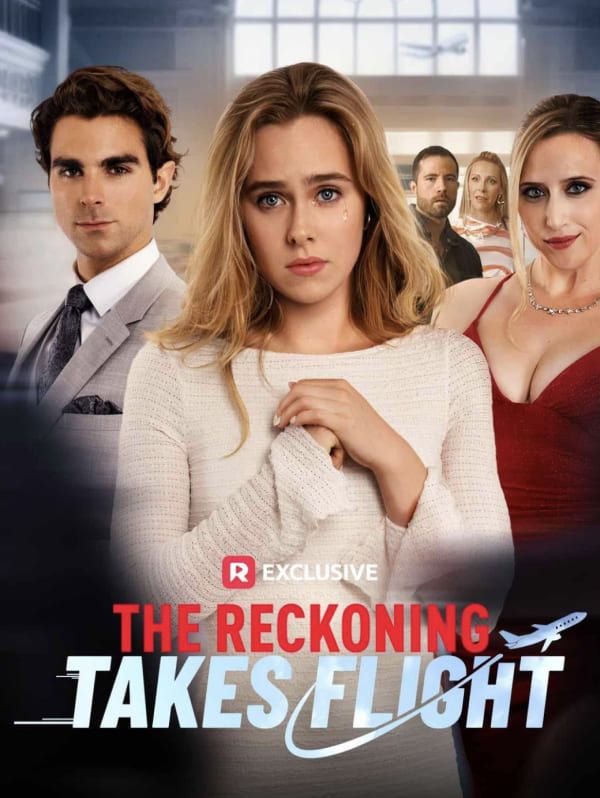
The Reckoning Takes Flight

https://www.showdramas.com/films/The_Reckoning_Takes_Flight

The Reckoning Takes Flight is a successful mini-series of dramas that adeptly simplifies deep-rooted themes of identity confusion, familial duty and vengeance into 41 mini episodes of approximately 2 to 5 minutes. This format is perfectly convenient for modern viewers who watch television in bite-sized, easy-to-consume form.


From a narrative perspective, the show is a master of sustaining tension with its closely wound narrative. The initial conflict on the plane is both dramatized and made available: Eve’s vulnerability due to her broken leg is contrasted with Jane’s aggressive belligerence, already making for an immediate emotional investment. The turbulence incident caused by Jane and subsequent forced emergency landing are the trigger that push the story further into conflict, particularly through Clara’s mistaken accusation. This twist gimmick cleverly explores the mistaken identity theme so common to short dramas, but here it is accomplished with finesse and sophistication, as Clara’s ignorance of Eve’s true relationship to Hayden has tragic consequences.


Characterization is also a strong suit. Eve is an underdog heroine who, with physical and social disabilities, maintains dignity and valor. The process of her success on the way of shame to triumph is satisfying and inspiring. The role of protective brother by Hayden introduces the emotional dimension and helps to sustain the theme of familial loyalty, which is at the basis of emotional appeal of the drama. Jane and Clara are two contrasting drives that have their foundation on jealousy and misperception creating actions that bring up the conflict and solution of the story line.


The societal-centered judgment also goes subtle in the series. Rudeness of Jane and propensity to judge others by Clara are a reflection of social issues like classism and superficial bigotry. The series is a satire of such mentalities since it shows how destructive they are to innocent victims like Eve. Also, the racing pace and the ending with the cliffhangers make viewers unable to get free which further resembles the social media feeds feeding on the addiction.


In terms of production, as much as The Reckoning Takes Flight is not a Hollywood blockbuster short drama, its engaging storytelling and focused direction make it an exemplary short-form drama. The use of constricted spaces — predominantly the plane and wedding chapel — heightens tension and emotional stake. The work of Juliet Chevelle (Eve) and Madeline Dodier (Clara) can be seen as a mean of conveying the multifaceted bevy of swings that their respective characters are positioned in, from helplessness to rage to exoneration.


All in all, The Reckoning Takes Flight is a well put together mini-series that also takes advantage of the shortened episode format to create a compelling show about justice, identity and family. It has original plot twists, character development, and thematic meaning that differentiates it with generic series and hence is a must-watch to the audiences which enjoy emotionally effective, high-impact narratives in digital media.

Top Picks

True Luna

9.2
Romance ·2 Min/Ep (All 61 Eps)

Fated to My Forbidden Alpha

9.3
Romance ·1 Min/Ep (All 60 Eps)

Fatal Attraction: The Hybrid Princess

9.3
Romance ·1 Min/Ep (All 57 Eps)

My Enemy Alpha

9.3
Romance ·1 Min/Ep (All 58 Eps)